


Dashain is the longest Hindu festival in Nepal, traditionally celebrated for two weeks with prayers and offerings to Durga, the Universal Mother Goddess. As the great harvest festival of Nepal, Dashain is a time for family reunions, the exchange of gifts and blessings, and elaborate rituals known as pujas. The celebration honors Goddess Durga, who was created from the energy (shakti) of all the gods and is armed with weapons from each of them.
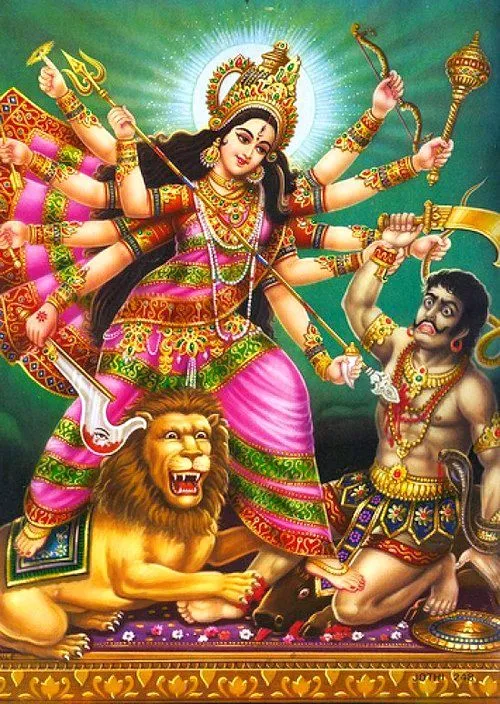
Goddess Durga symbolizes valor and strength. Devotees worship her and offer sacrifices to ensure their progress and prosperity. During the first ten days of the festival, pilgrims flock to various river confluences in the early morning and visit sacred shrines in the evening. Important events of Dashain include Ghatasthapana, Phool Pati, Mahaastami, Nawami, and Vijaya Dashami, each marked by a unique set of rituals.
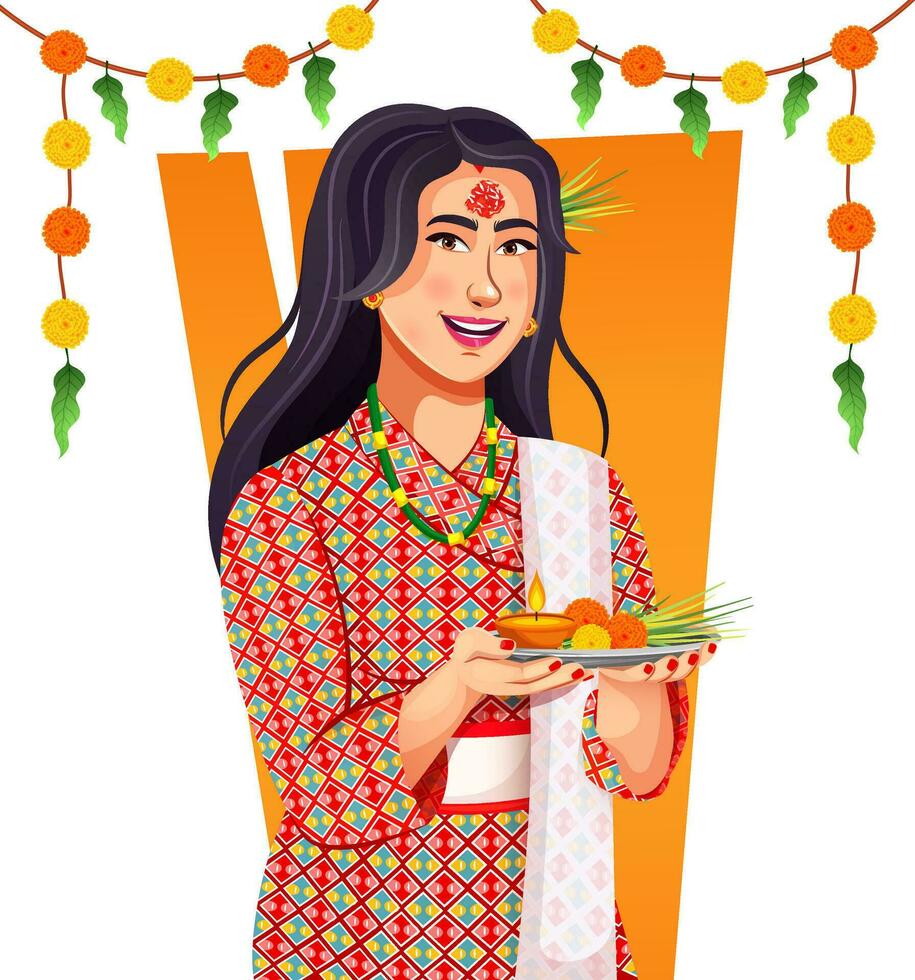
Throughout Dashain, men and women dress in their finest attire to visit their elders and seek tika—a dab of red vermilion mixed with yogurt and rice—accompanied by blessings. Sword processions (Paayaa) are held in various parts of the Kathmandu Valley, while a significant number of animals are officially sacrificed at Hanuman Dhoka during Nawami, attended by officials, invitees, and visitors.
On the ninth day, the Taleju Temple, which is usually off-limits to the public, opens its doors. The last day of the festival, known as Kojagrat Purnima, is marked by the full moon. Highlights of Dashain include new clothes, home visits, grand feasts, kite flying, and village swings. During this time, the population of Kathmandu decreases significantly as many people return to their homes in various parts of the country.
On the tenth day, known as Tika, you will see people walking around with their foreheads adorned with rice tika while wearing new clothes. There is much feasting as individuals visit their relatives’ homes to receive tika and blessings.sings.
At Dashain, school children and workers in Nepal look forward to a well-deserved month-long break to participate in the celebrations in full force. The prolonged vacation makes it easy for family members to reunite in their ancestral villages to share the celebration and enjoy the rich cultural festival of the period. In a gesture of good will, the government also gives employees a bonus so that they can make their celebrations even more satisfactory. This month-long celebration does not only comprise Dashain but also Bhai Tika, which is celebrated shortly after, to further the festive mood with family reunions, rituals, and celebratory affairs. Thus, the atmosphere becomes warm, affectionate, and full of a sense of community with everyone coming together to celebrate their heritage.