


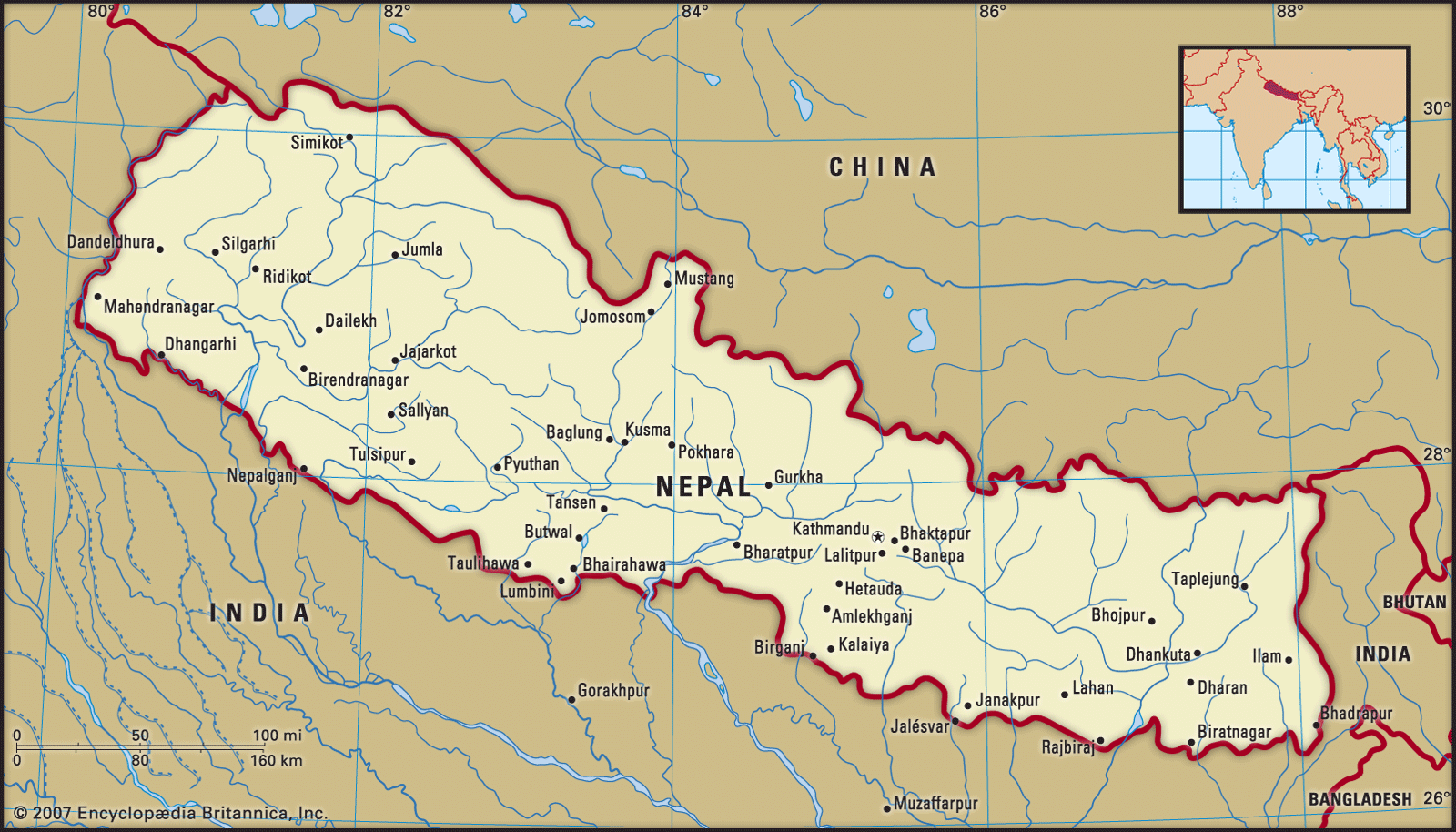
Located in the center of South Asia, Nepal is a landlocked nation known for its diverse geography, culture, and spirituality. Nepal offers a distinctive fusion of natural beauty and cultural heritage, with China to the north and India to the south, east, and west.
🏔️ Geography: From the Himalayas to the Terai
The landscape of Nepal is as varied as its inhabitants. The nation is roughly 147,516 square kilometers in size, with an east-west distance of 800 kilometers and a north-south distance of 150 to 250 kilometers. This small size includes three different geographical areas:
-
The Himalayas:
Eight of the ten highest peaks in the world, including Mount Everest (8,848 meters), Kanchenjunga (8,586 meters), and Lhotse (8,516 meters), are located in this region, which dominates the northern landscape. For the people of Nepal, these majestic mountains have profound spiritual meaning in addition to being natural wonders.. -
The Mid-Hills:
This area, which is south of the Himalayas, is made up of valleys and undulating hills, such as the Kathmandu Valley, where the capital city of Nepal is located. The mid-hills are renowned for their picturesque surroundings and fertile agricultural land. -
The Terai:
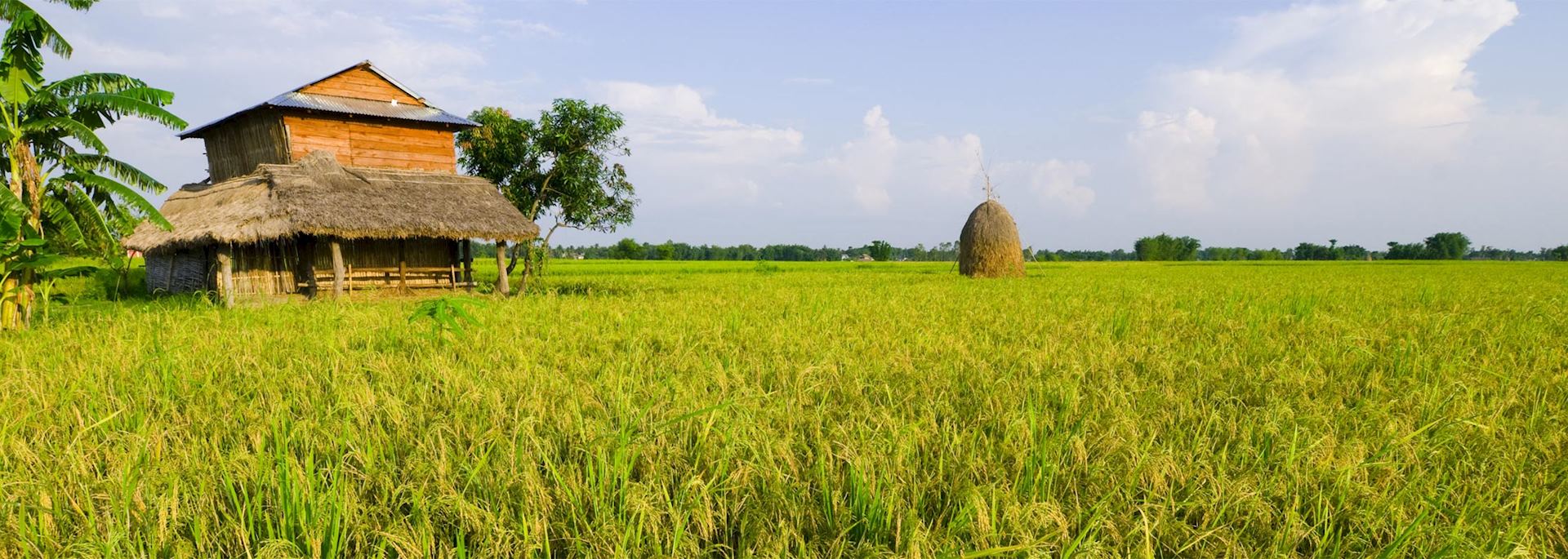
Fertile and productive for agriculture are Nepal's southern plains, which border India. In addition to supporting a variety of wildlife and wetlands, this area is essential to the nation's food production.

The Himalayas are the source of Nepal's rivers, which flow southward and supply water resources for daily life and agriculture. These rivers include the Koshi, Gandaki, and Karnali. The nation is a biodiversity hotspot because of its varied ecosystems, which sustain a vast array of plants and animals.
🕉️ Spirituality and Religion: A Harmonious Blend
Buddhism and Hinduism coexist peacefully in Nepal, a spiritual sanctuary. Buddhism is the second most popular religion, while Hinduism is practiced by the majority of people. The nation's festivals, customs, and everyday life all reflect this blending of faiths.
Major Religious Sites:
-
Lumbini:

The birthplace of Siddhartha Gautama, who later became the Buddha. Lumbini is a UNESCO World Heritage Site and a significant pilgrimage destination for Buddhists worldwide. -
Pashupatinath Temple:
Located in Kathmandu, this sacred Hindu temple dedicated to Lord Shiva is one of the holiest sites in Nepal. The temple complex, situated on the banks of the Bagmati River, is a center for religious rituals, including cremation ceremonies. -
Boudhanath Stupa:
A massive mandala and one of the largest stupas in Nepal, Boudhanath is a focal point for Tibetan Buddhism and a UNESCO World Heritage Site.


Nepal's festivals, such as Dashain, Tihar, and Buddha Jayanti, reflect the country's deep religious roots and are celebrated with great enthusiasm, showcasing the rich cultural heritage of its people.
🎨 Culture and Traditions: A Tapestry of Diversity
Nepal's cultural diversity is a reflection of its ethnic mosaic. The country is home to over 120 ethnic groups and more than 120 languages. This diversity is celebrated through various art forms, music, dance, and festivals.
Traditional Arts and Crafts:
-
Thangka Paintings: Religious scroll paintings that depict Buddhist deities, mandalas, and scenes from Buddhist teachings.
-
Wood Carving: Intricate woodwork seen in temples, palaces, and everyday items, showcasing the craftsmanship of Nepali artisans.
-
Pottery and Weaving: Traditional crafts that have been passed down through generations, representing the skills and creativity of local communities.
With its wide range of tastes and ingredients, Nepali food captures the nation's cultural diversity. The Nepali diet is anchored by foods like momo (dumplings), dal bhat (rice and lentil soup), and sel roti (traditional rice doughnut).
🌱 The Role of Leo Club of Kathmandu Janmabhumi

Located in the center of this dynamic country, the The Leo Club of Kathmandu Janmabhumi is a shining example of community development and youth-led service. The club, which is a member of Lions Clubs International, is committed to using a variety of social projects to improve Nepali society..
Key Activities and Programs:
-
Health Camps: Organizing medical camps in underserved areas to provide essential healthcare services to marginalized communities.
-
Environmental Initiatives: Conducting tree plantation drives, waste management programs, and awareness campaigns on environmental conservation.
-
Educational Support: Distributing stationery, providing scholarships, and organizing tutoring sessions for underprivileged students.
-
Disaster Relief: Mobilizing resources and volunteers during natural disasters to provide immediate assistance to affected communities.
-
Cultural Preservation: Promoting Nepali traditions and customs through cultural programs and events, fostering a sense of pride and identity among the youth.
The club's efforts are a testament to the power of youth in driving social change and contributing to the betterment of society.
🌍 Conclusion: Nepal's Enduring Spirit
Nepal is a special and intriguing country because of its diverse culture, rich geography, and spiritual legacy. The resilience and unity of the Nepali people are demonstrated by the peaceful coexistence of various religions, the preservation of customs, and the active involvement of youth organizations like the Leo Club of Kathmandu Janmabhumi in social service..